
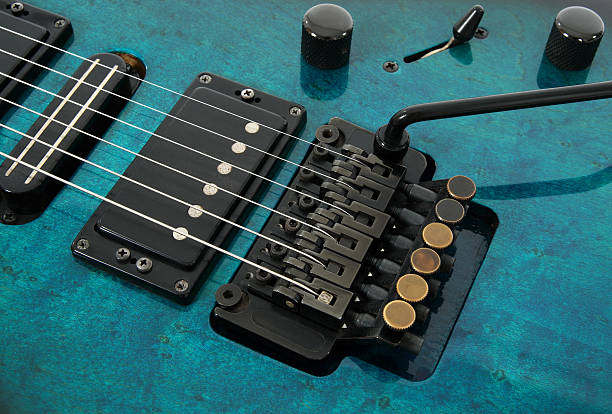
When it comes to electrifying guitar performance, the name Charvel Fusion TRS Tremolo stands out as a benchmark of speed, tonal versatility, and historic design. In this article we’ll explore what makes the Charvel Fusion TRS Tremolo such a sought-after instrument — from its origins and hardware specifics to its playability, sound character, upkeep, and modern relevance. Whether you’re a shredder chasing fast necks, a tone-hunter seeking unique voice, or simply curious about a standout guitar, you’ll find everything you need here.
Understanding the Charvel Fusion TRS Tremolo: Origins & Overview
The Charvel Fusion TRS Tremolo is part of the highly regarded “Fusion” series by the American-born guitar brand Charvel, which rose to prominence in the 1970s and 80s. Wikipedia The Fusion line was developed for players who wanted something more agile than a standard Strat-style guitar: shorter scale length, high-output pickups, and serious tremolo hardware.
In this context, “TRS” refers to the licensed tremolo system (often the Takeuchi TRS-101 or similar) used on certain Japanese made Charvel models. Wikipedia+1 The design of the tremolo system enabled deeper dive-bombs, expressive whammy use, and better stability than many vintage floats. The pairing of the Fusion body/necks with the TRS hardware created a guitar that delivered both vintage ergonomics and modern performance.
So when you see “Charvel Fusion TRS Tremolo,” you’re broadly referring to that exciting combination of the Fusion platform plus the TRS tremolo system — a guitar built for speed, aggressive vacuum-picking, and expressive vibrato effects.
Key Features of the Charvel Fusion TRS Tremolo
Short Scale & Ergonomic Design
One of the distinctive features of many Fusion models is the 24.75-inch scale length, shorter than typical superstrats (which often use 25.5″). For example, the Fusion Deluxe spec sheet shows scale length 24.75″. Axebition the guitar expo This shorter scale makes string tension slightly less, bends smoother, and access to high frets easier — ideal for fast-fingered players.
Premium Hardware – The TRS Tremolo
The “TRS” tremolo system is a Japanese-built double-locking design derived from Floyd-style systems. According to sources, the Takeuchi TRS-101 is a licensed Floyd Rose variant used on many Japanese guitars. Wikipedia+1 On Charvel Fusion models, these systems give players access to serious tremolo motion while maintaining tuning stability. Picking, dive-bombing, and expressive vibrato become more reliable.
Versatile Picker-Friendly Setup
Fusion models often include 24 frets (rather than 22), deep cutaways, and fretboard radii suitable for shred and legato playing. For instance, one review of a 1991 Fusion Custom states: “This neck has a very cool matching headstock and feels a bit thinner … scale length aside, that in turn feels a bit thinner…” Totally Rad Guitars The build prioritises comfort, speed, and access.
Tone Machine with High-Output Pickups
While data on every TRS tremolo variant of the Fusion is limited, many models from this line were built with pickups and wiring suitable for rock, fusion, metal, and more. The bridge humbucker, single coils (in some configs), and the ability to explore clean to high-gain sound make the Charvel Fusion TRS Tremolo a versatile instrument.
Collector Appeal and Vintage Value
Because many of the original Fusion models (especially Japanese-made late ’80s/early ’90s) are no longer in production, they have gained status among collectors. One forum user noted:
“I have a blue one … I got it re-fretted because I love the short scale length for my small hands… they all still get played.” Reddit The allure of owning an era-specific guitar plus high performance hardware continues to draw interest.
Sound & Playability: What to Expect from the Charvel Fusion TRS Tremolo
Clean Tones & Dynamics
On clean settings, the shorter scale and high-quality tonewoods commonly used produce a lively response. The strings feel a little looser thanks to the scale, which translates into more expressive bends and smooth legato. The tremolo system allows subtle vibrato without excessive friction or instability.
Overdriven & Lead Work
When you dial in distortion or overdrive, the humbuckers (where present) and the brilliant setup shine. The fast neck enables quick runs, rapid hammer-ons/pull-offs, and high-end access for soaring solos. The TRS tremolo system allows you to add expressive depth: dive-bombs, squeals, and pitch manipulations without the tuning headaches of lesser systems.
Staying in Tune under Tremolo Use
A major advantage of the TRS tremolo system is its tuning stability. Because it’s designed as a double-locking (or high-precision) system, you’ll find fewer issues with tuning drift after aggressive tremolo use. It’s one of the reasons the Charvel Fusion TRS Tremolo remains a practical choice for stage and studio.
Feel & Comfort
Players frequently cite how comfortable Fusion models feel — lower horn shaping, moderate body weight, and a neck that facilitates fluid motion. The shorter scale (when you’re used to standard length guitars) gives a slightly different feel — a little more relaxed tension and a touch more “give” during bends.
Maintaining Your Charvel Fusion TRS Tremolo: Setup & Care
To keep a Charvel Fusion TRS Tremolo in peak condition, here are some best-practice maintenance tips:
Tremolo Block & Springs: Make sure the tremolo cavity (if recessed) is clean of debris. If the trem surface has developed play or slack, check the pivot points and springs to ensure smooth action.
Locking Nut & Fine Tuners: Since TRS systems often lock at the nut and use fine tuners at the bridge, ensure the locking nut bolts are secure and the fine-tuners are reset after string changes.
String Changes: When installing new strings, keep the bridge balanced (if floating). Often changing one string at a time helps maintain tension equilibrium.
Fretboard & Neck Care: With fast playing comes wear. Clean the fretboard regularly, oil rosewood boards (if applicable), and use fret polish sparingly.
Hardware Inspection: Check the tremolo baseplate, screws, and mounting studs for looseness. Vintage models especially may benefit from checking mounting bushings or threads for wear.
Setup Periodically: Given the aggressive nature of tremolo use, periodic setup (intonation, action, neck relief) helps maintain playability and ensures the Charvel Fusion TRS Tremolo continues to perform optimally.
Buying & Collecting Considerations for the Charvel Fusion TRS Tremolo
What to Look For
When seeking a Charvel Fusion TRS Tremolo model, pay attention to:
Scale length and neck specs: Confirm 24.75″ scale if the model claims the classic short-scale Fusion spec.
Tremolo type and condition: Ensure the TRS or Takeuchi tremolo system is complete and functional (e.g., arm present, fine tuners workable, no excessive rust).
Body/neck condition: Check for major repairs, heavy fret wear, replaced hardware, or heavy modifications.
Originality of components: Collectors often prefer original pickups, cavities untouched, original finish. But for players, modded versions may suit needs.
Routing and case / documentation: Vintage Fusion models often came with Japanese manufacture markers, original Case candy, and serial numbers. Confirm authenticity.
Value & Trend
Because the Charvel Fusion TRS Tremolo models are part of a somewhat niche segment (short scale Japanese-made superstrat with unique tremolo system), they tend to maintain value if in good shape. As one forum member noted:
“…they don’t make them anymore, so who knows where the market is.” Reddit For buyers, that means an opportunity to own a guitar with vintage flair and performance chops.
Modding vs Preservation
Some owners prefer to preserve the original TRS tremolo system and other vintage parts for authenticity. Others choose to upgrade pickups, locking nuts, or bridges, to modern standards. Decide early whether you’re collecting as is or modding for modern performance.
Why the Charvel Fusion TRS Tremolo Still Matters Today
Even though the original Japanese-made Fusion models aren’t as ubiquitous as newer tournament models, the Charvel Fusion TRS Tremolo remains relevant for several reasons:
It offers a shorter scale length option for players seeking easier playability while retaining superstrat functionality.
The TRS tremolo system provides high-performance tremolo features (dive-bombs, pitch warps) with credible stability for serious use.
For collectors and players alike, it carries historical value — as part of the 80s/90s shred era, and built with quality hardware and design.
Its build quality and ergonomics still stack up against modern guitars — meaning you can buy one and use it without feeling like you’re compromising.
In short: If you’re looking for a guitar that blends vintage performance, expressive hardware, and player-friendly ergonomics, the Charvel Fusion TRS Tremolo remains a smart choice.
Final Thoughts
The Charvel Fusion TRS Tremolo is more than just a nostalgic relic — it’s a guitar designed for players who demand speed, precision, and expressive tremolo capability. From its short scale ease of play, through its high-performance hardware, to its collector appeal, it ticks many boxes.
If you’re a guitarist seeking a standout instrument that offers both vintage vibe and modern action, the Fusion TRS tremolo model deserves serious consideration. You’ll look good, feel comfortable, and sound aggressive, whether on stage or in the studio.