
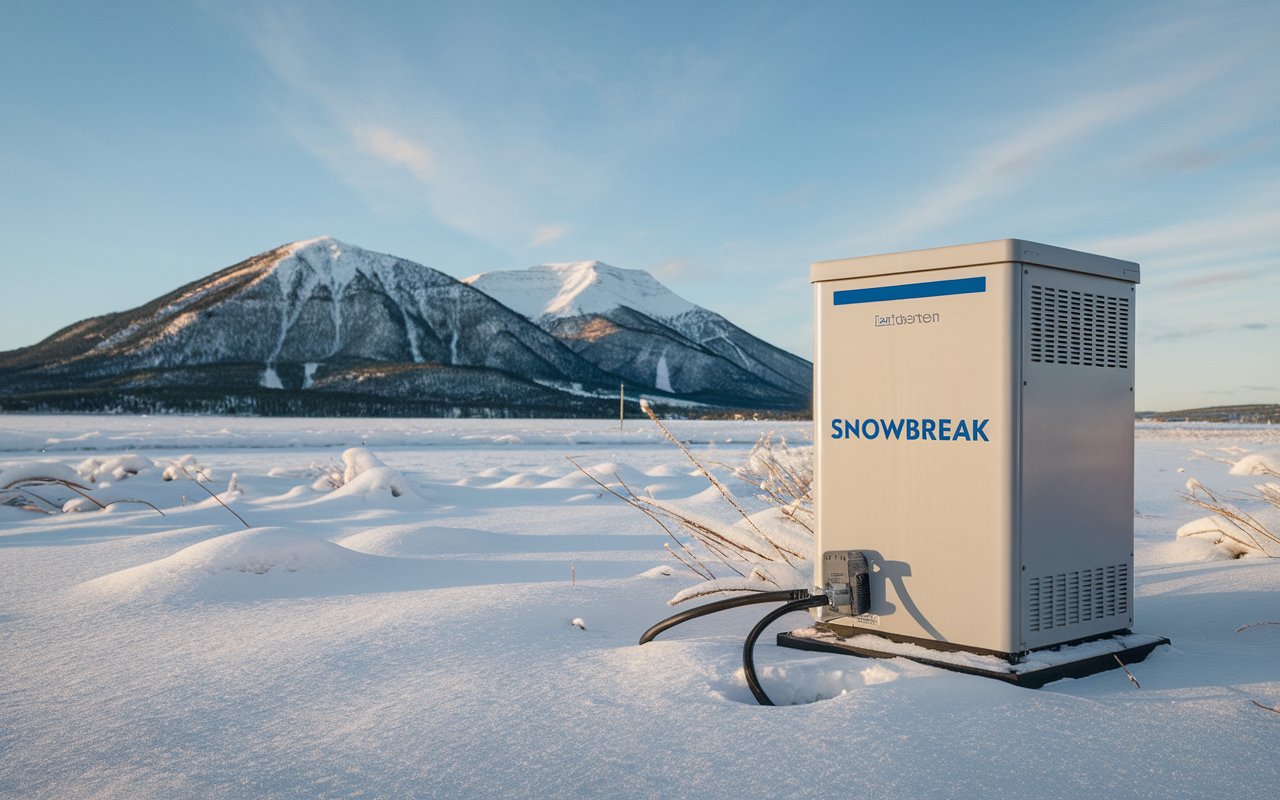
In a world that increasingly depends on digital operations and electronic equipment, uninterrupted power is no longer a luxury — it’s essential. Whether for business servers, healthcare systems, IT networks, or home electronics, a sudden power outage can be costly and disruptive. This is where the concept of Snowbreak locate uninterruptible power supply becomes critically important. By strategically planning and locating UPS systems, organizations and homeowners can secure a dependable backup power solution that minimizes downtime, protects sensitive devices, and ensures continuous operation during disruptions.
This article delves deeply into Snowbreak locate uninterruptible power supply, explaining everything from basics to advanced implementation strategies.
What Is an Uninterruptible Power Supply (UPS)?
An uninterruptible power supply (UPS) is a device designed to provide emergency power when the main electrical source fails. Unlike generators that take time to start, a UPS delivers immediate backup energy to supported equipment. It also helps regulate voltage and filter power surges, ensuring connected systems stay safe during short interruptions or fluctuations in electricity.
When we talk about Snowbreak locate uninterruptible power supply, we mean the thoughtful assessment, positioning, and configuration of UPS units to maximize reliability and resilience against power instability.
Why It Matters: The Importance of Snowbreak Locate Uninterruptible Power Supply
Conducting a Snowbreak locate uninterruptible power supply exercise isn’t merely a technical choice — it’s a strategic decision that impacts safety, performance, and longevity.
Here are key reasons why UPS placement matters:
Ensures Continuous Power: Properly placed UPS systems bridge the gap between power loss and recovery.
Protects Critical Equipment: Voltage spikes and dips can damage hardware; UPS helps stabilize power.
Safeguards Data and Operations: Servers, networking gear, and databases can remain operational without data corruption.
Reduces Business Risk: For companies, every minute of downtime equates to lost revenue and lower customer trust.
In essence, Snowbreak locate uninterruptible power supply is about maximizing uptime and minimizing disruption.
Types of UPS Systems and Their Uses
Understanding different UPS types helps in choosing what works best for your situation.
1. Standby (Offline) UPS
Ideal for small offices or home setups, this basic UPS switches to battery mode when power fails. Though cost‑effective, it’s best for protecting PCs and small electronics.
2. Line-Interactive UPS
This type offers better regulation against voltage fluctuations. It’s suitable for small server rooms and business environments with moderate power needs.
3. Online (Double Conversion) UPS
The most advanced option, this UPS constantly converts incoming power to clean, stable electricity. It’s vital for mission‑critical systems like data centers, hospitals, and large enterprises.
Choosing the right UPS type is a core part of Snowbreak locate uninterruptible power supply planning.
How to Snowbreak Locate Your Uninterruptible Power Supply
You can buy the best UPS, but without smart placement and planning, performance suffers. Here’s how to ensure UPS systems are correctly located:
1. Evaluate Power Demand
Start by calculating the total power load your UPS must support. Include servers, networking gear, security systems, and any essential electronics.
2. Identify Critical Zones
Not all equipment requires UPS protection. Prioritize areas where power loss would cause the most disruption.
3. Choose Strategic Locations
UPS units should be:
Close to the devices they protect
In clean, ventilated environments
Away from moisture, heat, or dust
Easily accessible for maintenance
4. Avoid Single Points of Failure
The essence of Snowbreak locate uninterruptible power supply is redundancy. Do not rely on one UPS for all systems. Instead, distribute smaller UPS units across zones to protect against total failure.
5. Consult Professionals
Large installations benefit from expert planning. Professionals can design UPS placement that accounts for electrical load balancing, cooling requirements, and future scalability.
Real‑World Benefits of Snowbreak Locate Uninterruptible Power Supply
A carefully executed Snowbreak locate uninterruptible power supply strategy delivers measurable value:
Improved Operational Continuity
Unexpected outages become less disruptive, enabling teams to focus on productive tasks instead of recovery.
Data Protection
With UPS support, servers and workstations can shut down safely by triggering automated backup or power‑down procedures.
Extended Equipment Life
Stable power prevents stress on components, which can reduce repair costs and lengthen hardware life.
Better Planning for Growth
Distributed UPS systems can be expanded as business demands change without major redesign.
Enhanced Reliability
Whether it’s seasonal storms, grid instability, or scheduled maintenance outages, a properly located UPS ensures systems run reliably.
Installation Best Practices
To extract maximum value from your UPS setup:
Use Quality Power Distribution Units (PDUs): Ensure power is evenly distributed.
Monitor Battery Health: UPS batteries wear out over time; regular checks prevent surprise failures.
Keep Temperature Controlled: Heat reduces battery effectiveness — cool, dry rooms are ideal.
Label and Document Everything: Mapping UPS units to devices improves troubleshooting.
These simple practices improve lasting outcomes for Snowbreak locate uninterruptible power supply strategies.
Common Mistakes to Avoid
Here are pitfalls you should proactively avoid:
Placing UPS in Tight Closed Spaces: Restricts ventilation and increases heat risk.
Ignoring Load Limits: Overloading UPS units leads to malfunction and shorter battery life.
Skipping Periodic Testing: Without testing, you won’t know if your UPS will actually perform when needed.
Using Wrong UPS Type: Cost considerations shouldn’t outweigh performance requirements.
Looking Ahead: UPS Trends and Innovations
The UPS industry continues evolving. Some emerging trends include:
Smart UPS Units
Connected devices that offer remote monitoring, alerting, and performance analytics.
Green Battery Technologies
Lithium‑ion and other advanced chemistry batteries that deliver longer life and lower environmental impact.
Renewable Integration
UPS systems paired with solar or wind energy can provide eco‑friendly backup power.
AI‑Driven Power Management
Intelligent systems that predict load requirements and optimize energy usage.
These advancements make planning for Snowbreak locate uninterruptible power supply even more powerful and future‑ready.
Conclusion
In an environment where power interruptions can derail productivity, Snowbreak locate uninterruptible power supply is more than a technical consideration — it’s a strategic investment. Careful evaluation of power needs, thoughtful placement, correct UPS type selection, and proactive maintenance are all part of a sustainable approach to power resilience. Whether for a small office, large enterprise, or smart home setup, a well‑executed UPS plan protects your technology, your data, and your peace of mind.
By implementing these strategies, you ensure reliable uptime, protect valuable equipment, and maintain continuity in the face of unpredictable power disruptions.
Frequently Asked Questions (FAQs)
1. What does “Snowbreak locate uninterruptible power supply” mean?
Answer: It refers to the strategic placement and configuration of UPS systems to maximize reliability and minimize downtime during power outages or surges.
2. How do I determine the right UPS size for my system?
Answer: Calculate the total wattage of all devices you want protected and choose a UPS with a capacity exceeding this requirement, allowing room for future growth.
3. How often should UPS batteries be checked?
Answer: UPS batteries should be tested at least every six months, with full replacements generally recommended every 3–5 years, depending on usage and battery type.
4. Can UPS systems be connected to renewable energy sources?
Answer: Yes — many modern UPS units can integrate with solar panels or wind systems to deliver eco‑friendly backup power.
5. What are the risks of improper UPS placement?
Answer: Poor placement can lead to overheating, equipment damage, inefficiency, and even failure during power outages.