
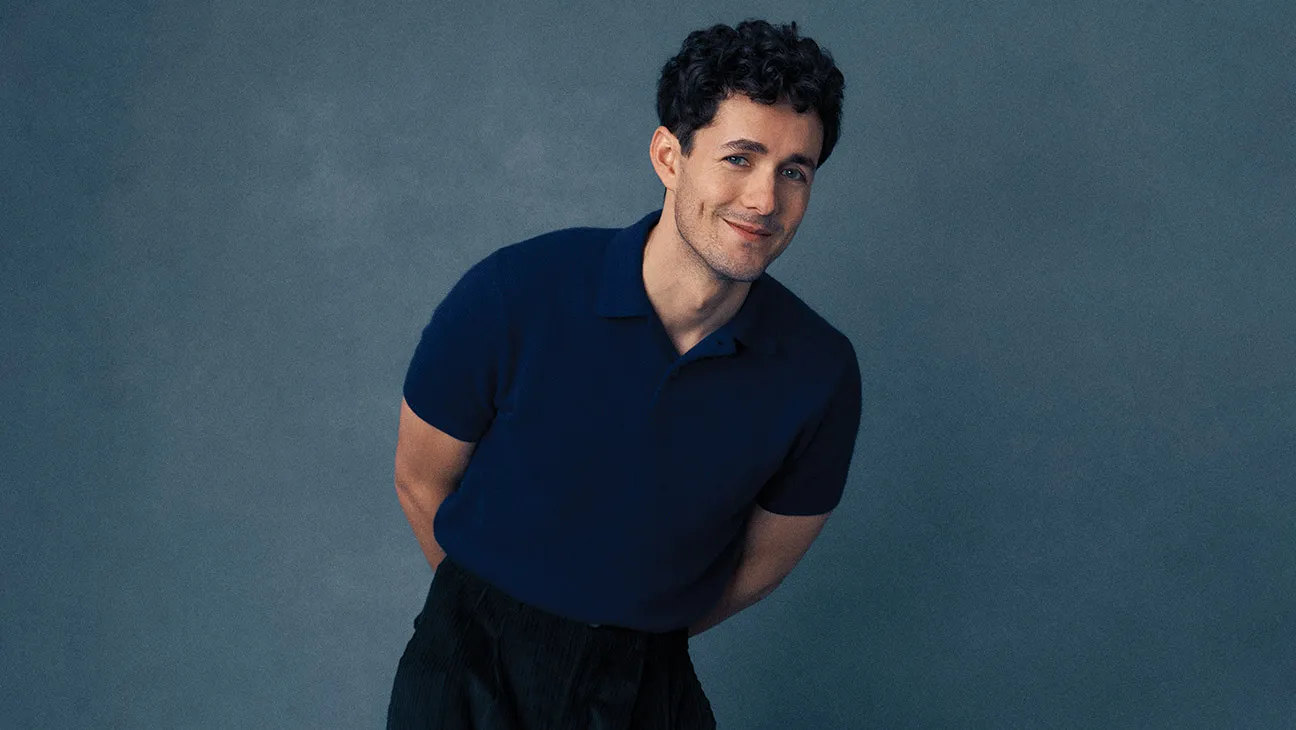
When the phrase “Jonah Hauer‑King den of nerds” began circulating, it quietly signalled more than just a trending topic—it pointed to a new kind of fandom architecture surrounding the actor Jonah Hauer‑King. In this article, we will explore who he is, how this “den of nerds” label emerged, why it resonates, and what it signals for modern celebrity engagement.
Who Is Jonah Hauer‑King?
Born on 30 May 1995 in London, Jonah Hauer‑King holds dual British and American citizenship.Raised in a creative environment—his mother worked in theatre production and his father is a restaurateur—he combined academic and dramatic training. He studied theology and religious studies at St John’s College, Cambridge while also pursuing acting.
His career has been marked by a mix of independent and mainstream projects: roles in the BBC adaptation of Little Women (2017), the drama World on Fire (2019) and his casting as Prince Eric in The Little Mermaid (2023) This combination of classical training, diverse roles and mainstream breakout put him in a unique space where fandoms began to take notice.
What Does “Jonah Hauer‑King Den of Nerds” Actually Mean?
The phrase “Jonah Hauer‑King den of nerds” refers to the particular community of fans—especially on platforms like Twitter—who passionately follow his work, share edits, defend him, and create a fandom identity around him. According to recent analysis, this kind of fandom is characterised by deep engagement rather than mere celebrity worship.
Here, the term “den of nerds” evokes a space where enthusiasts with a love for detail, craft and shared enthusiasm gather around a star whose work they appreciate in more than surface terms. These fans engage through memes, threads, edits and discussion, forming a communal digital space.
How and Why the Trend Emerged
Several factors combined to spark the “Jonah Hauer‑King den of nerds” phenomenon:
Casting and Role Visibility: Jonah’s role as Prince Eric placed him in a globally visible franchise, sparking conversations about his star potential.
Fan‑Driven Social Media Activity: On Twitter and other platforms, fans began using hashtags, posting clips and rallying around his performances.
Narrative and Identity Appeal: The “nerd” label here appeals because fans feel aligned with someone who has a mix of craft‑credibility, authenticity and mainstream visibility.
Defensive Fandom Mobilisation: When critics or negative commentary arise, these fans mobilise to defend his image—turning fandom into activism of sorts.
In short, the trend didn’t happen by accident—it reflects how modern fandoms operate: dynamic, digital, participatory.
Why This Resonates with Fans
The “Jonah Hauer‑King den of nerds” label resonates because it meets several cravings in contemporary fandom:
Authenticity Over Glitz: Jonah’s background—serious training, varied roles, relatively low‑hype persona—makes him feel more “real” to fans.
Craft Recognition: Fans appreciate his craft, not just his look or brand; they’re interested in depth.
Safe Community: The “den of nerds” concept creates a communal space where fans feel they belong and share a perspective.
Cultural Timing: As digital communities grow and celebrity‑fan boundaries blur, this kind of fandom identity is timely.
These factors combine to create a loyal and engaged base of supporters.
Implications for Celebrity, Fandom & Online Culture
The rise of the “Jonah Hauer‑King den of nerds” phenomenon suggests broader shifts:
Fandoms as Stakeholders: Fans are no longer passive; they can shape narrative, influence visibility and defend stars.
Risk & Reward for Stars: Having an engaged “nerd‑den” base is powerful, but it also means your choices are scrutinised by a dedicated community.
Shift in Marketing & PR: Studios and media now recognise that these micro‑communities matter—visibility in fandoms can matter as much as mass appeal.
Authenticity is Premium: In an era of curated personas, being seen as genuine boosts affinity and fan loyalty.
Challenges and the Road Ahead
With this kind of fandom come certain challenges:
Niche vs Mainstream Balance: A star with a dedicated nerd‑base might still need to broaden appeal for mainstream roles.
Fan Expectations: When fans become invested, they may expect certain kinds of roles or public behaviour—and that can add pressure.
Backlash Risk: If fandom turns defensive or hostile, it can affect reputation. Similarly, if the star diverges from what the fandom expects, it may create friction.
For Jonah Hauer‑King and his community, the key will be navigating growth while maintaining authenticity and avoiding alienation of either broader audiences or core fans.
Conclusion
The phrase “Jonah Hauer‑King den of nerds” encapsulates more than just a trending tag—it signals a meaningful intersection of actor, role selection, and fan culture. Jonah Hauer‑King’s rise—from a Cambridge‑trained actor to the centre of a thriving online community—highlights how modern celebrity dynamics are shaped as much by digital fandoms as by studios or critics. For his fans, this “den of nerds” feels like a place of shared appreciation; for the actor, it represents a passionate base that can amplify his trajectory. As his career evolves and the fandom grows, what we’re witnessing is a portrait of contemporary fame: participatory, authentic, and community‑driven.
FAQs
Q1: What exactly is meant by “Jonah Hauer‑King den of nerds”?
A1: It refers to the passionate online community—especially on Twitter—of fans who follow Jonah Hauer‑King’s career, create content around him, share edits/memes, and engage with each other under the label “den of nerds”.
Q2: Why has this fandom formed around Jonah Hauer‑King in particular?
A2: His combination of theatre training, varied roles, mainstream breakout (Prince Eric) and apparent approachability make him appealing to fans who value depth, authenticity and engagement.
Q3: Does the “den of nerds” label limit his appeal?
A3: Not necessarily—but there’s a balance. While a dedicated nerd‑core fandom is powerful, expanding beyond that into broader audiences may require role choices and public engagements that reach wider spectrums.
Q4: How does this phenomenon impact his career?
A4: A strong fandom boosts engagement metrics, social media trends, and visibility. It may open doors for casting, endorsements or voice roles. But it also means expectations and public scrutiny increase.
Q5: Can other actors expect similar fandom dynamics?
A5: Yes. The blueprint of a dedicated, engaged online community around an actor isn’t unique—but it depends on factors like role choice, public persona, social media presence and fan culture. Jonah’s case is illustrative of how it works in today’s digital era.